
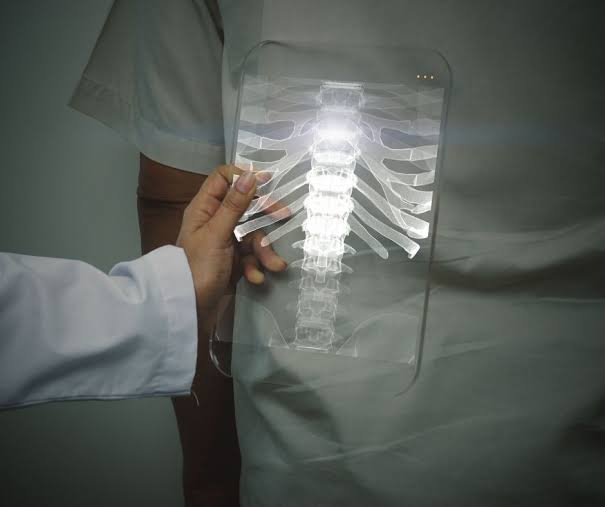
Living with back or neck pain can make even simple daily activities feel difficult. Whether the pain comes from an injury, aging, poor posture, or a medical condition, finding the right specialist is one of the most important steps toward recovery. Choosing the Best Spine Surgeon in Los Angeles is not just about selecting a doctor with impressive credentials. It is about finding a professional who understands your condition, offers the right treatment options, and helps you make informed decisions about your health.
Los Angeles is home to many highly qualified spine specialists, making it an excellent place to receive advanced care. However, having many choices can also make the selection process overwhelming. Understanding what to look for in a spine surgeon can help you feel confident and prepared when making this important decision.
This guide explains everything you need to know about choosing the right spine surgeon, understanding treatment options, preparing for consultations, and improving your chances of a successful recovery.
Understanding Spine Conditions and When to See a Specialist
Your spine is one of the most important parts of your body. It supports your weight, protects your spinal cord, and allows you to move comfortably. Because the spine is involved in nearly every movement you make, even a small problem can cause significant pain or limited mobility.
Many people experience back pain at some point in their lives. While minor discomfort often improves with rest, stretching, and physical therapy, some conditions require specialized medical care. Chronic pain that lasts for several weeks, numbness in the arms or legs, weakness, difficulty walking, or pain that interferes with daily life may indicate a more serious issue.
Common spine conditions include herniated discs, spinal stenosis, scoliosis, degenerative disc disease, sciatica, spinal fractures, and spinal deformities. Some people also develop spinal tumors or infections that require specialized treatment.
The Best Spine Surgeon in Los Angeles will first determine whether surgery is actually necessary. Contrary to what many people believe, surgery is usually considered only after conservative treatments have been tried. Many patients improve through physical therapy, medication, lifestyle changes, injections, or pain management programs before surgery becomes an option.
A skilled spine specialist focuses on finding the safest and least invasive treatment that can provide lasting relief. This patient-centered approach helps reduce unnecessary procedures while improving long-term outcomes.
Qualities That Define an Excellent Spine Surgeon
Choosing the right surgeon involves much more than searching online or selecting the first physician you find. Several important qualities separate outstanding spine surgeons from average providers.
Education and specialized training are among the first factors to consider. A highly trained surgeon should have advanced education in orthopedic spine surgery or neurosurgery with additional fellowship training in spinal disorders. This specialized experience allows them to treat both common and complex spine conditions.
Board certification demonstrates that the physician has met strict professional standards and continues to maintain medical knowledge through ongoing education.
Experience also plays a significant role. Spine surgery involves delicate structures including nerves, discs, vertebrae, and the spinal cord. Surgeons who perform these procedures regularly often develop refined techniques that contribute to better patient outcomes.
Communication skills are equally important. The Best Spine Surgeon in Los Angeles should listen carefully to your concerns, explain your diagnosis in simple language, answer your questions honestly, and discuss every available treatment option. You should never feel rushed during an appointment.
Another important quality is the willingness to recommend non-surgical care when appropriate. Ethical spine specialists prioritize patient health rather than performing unnecessary operations.
Modern technology has also transformed spine care. Many experienced surgeons now perform minimally invasive spine surgery using smaller incisions, advanced imaging, computer-assisted navigation, and robotic technology when appropriate. These innovations may reduce tissue damage, shorten recovery times, and minimize postoperative discomfort for eligible patients.
Hospital affiliations also matter. Surgeons who operate at respected medical centers often have access to advanced equipment, experienced surgical teams, and comprehensive rehabilitation services that support patient recovery.
Treatment Options Offered by Modern Spine Specialists
Every patient’s condition is unique, which is why treatment plans should always be personalized. An experienced spine surgeon carefully evaluates medical history, physical examinations, imaging studies, and symptoms before recommending any specific treatment.
Conservative care usually serves as the first step. Physical therapy helps strengthen muscles that support the spine while improving flexibility and posture. Many patients experience noticeable improvements without surgery through structured rehabilitation programs.
Medications may help reduce inflammation, relax muscles, or control pain during the healing process. Some patients also benefit from epidural steroid injections that reduce nerve inflammation and provide temporary pain relief.
When conservative treatments fail to improve symptoms or when neurological damage becomes a concern, surgery may become the best solution.
The Best Spine Surgeon in Los Angeles may recommend minimally invasive procedures whenever possible. These techniques often involve smaller incisions, less blood loss, lower infection risk, and faster recovery compared to traditional open surgery.
Common surgical procedures include microdiscectomy for herniated discs, spinal decompression for spinal stenosis, spinal fusion to stabilize unstable vertebrae, artificial disc replacement, laminectomy, and correction of spinal deformities such as scoliosis.
Advanced imaging technologies allow surgeons to precisely identify the source of pain before recommending surgery. MRI scans, CT scans, X-rays, nerve conduction studies, and diagnostic injections all help create an accurate diagnosis.
Following surgery, rehabilitation plays a major role in long-term success. Physical therapy helps restore strength, improve movement, and reduce the likelihood of future injuries. Many patients gradually return to work, sports, and normal activities after completing a structured recovery program.
Lifestyle changes also contribute to long-term spine health. Maintaining a healthy weight, practicing good posture, exercising regularly, quitting smoking, and using proper lifting techniques all reduce stress on the spine.
Questions to Ask Before Choosing a Spine Surgeon
Meeting with a spine specialist gives you an opportunity to gather important information before making treatment decisions. Asking thoughtful questions helps you better understand your diagnosis and the surgeon’s approach.
You should ask about the exact cause of your symptoms and whether surgery is truly necessary. Understanding all available treatment options allows you to compare both surgical and non-surgical solutions.
It is also helpful to ask how many times the surgeon has performed your specific procedure. Experience with your particular condition often contributes to greater confidence and more predictable outcomes.
Patients should also discuss expected recovery times, possible risks, potential complications, and long-term success rates. Every surgical procedure carries some level of risk, and a trustworthy physician explains both the benefits and limitations honestly.
The Best Spine Surgeon in Los Angeles will also explain what happens before surgery, during hospitalization, and throughout recovery. Clear expectations help reduce anxiety and prepare patients for rehabilitation.
Many patients find it useful to ask about minimally invasive options. Not every patient qualifies for these techniques, but understanding whether they are appropriate can influence treatment decisions.
Insurance coverage, hospital location, scheduling, follow-up appointments, and rehabilitation planning are also practical topics worth discussing before surgery.
Patient reviews may provide additional insight into communication, office staff, appointment scheduling, and overall patient experience. While reviews should never replace professional qualifications, they can offer helpful perspectives from individuals who have undergone similar treatments.
Seeking a second opinion is also a reasonable step when considering major spine surgery. Most experienced surgeons welcome second opinions because they encourage patients to make informed healthcare decisions.
Recovery, Long-Term Spine Health, and Making the Right Choice
Recovery begins long before the actual surgery. Patients who prepare both physically and mentally often experience smoother healing. Following medical instructions, maintaining a healthy diet, staying active within recommended limits, and arranging family support all contribute to successful recovery.
Immediately after surgery, patients usually begin gentle movement under medical supervision. Early walking helps improve circulation, reduce complications, and support healing. Physical therapists gradually introduce exercises that improve flexibility, strength, and balance.
Recovery timelines vary depending on the procedure performed, the patient’s overall health, age, and commitment to rehabilitation. Some minimally invasive procedures allow patients to return home the same day, while more complex surgeries may require several days in the hospital.
Pain management continues throughout the recovery process. Modern treatment plans focus on controlling discomfort while minimizing reliance on opioid medications whenever possible. Ice therapy, physical therapy, anti-inflammatory medications, and gradual exercise often play important roles.
The Best Spine Surgeon in Los Angeles emphasizes long-term prevention rather than simply treating current symptoms. Patients receive guidance on proper posture, workplace ergonomics, safe exercise routines, and healthy lifestyle habits that protect the spine for years to come.
Regular exercise strengthens the muscles that support the spine. Walking, swimming, yoga, and core strengthening exercises often improve flexibility and reduce future back pain. Maintaining a healthy body weight also decreases pressure on spinal joints and discs.
Good posture during sitting, standing, and lifting protects the spine from unnecessary strain. Many people spend hours each day using computers or mobile devices, making ergonomic workstations increasingly important for spinal health.
Smoking cessation also improves healing because smoking reduces blood flow to spinal tissues and may slow recovery after surgery. Proper nutrition supports bone healing and overall tissue repair by providing essential vitamins, minerals, and protein.
Choosing the right spine surgeon ultimately requires balancing credentials, experience, communication style, treatment philosophy, and patient comfort. Trust is an essential part of the doctor-patient relationship. Patients should feel respected, informed, and confident throughout every stage of treatment.
Conclusion
Finding the right spine specialist is one of the most important decisions you can make when dealing with persistent back or neck pain. The Best Spine Surgeon in Los Angeles combines advanced medical expertise with compassionate patient care, accurate diagnosis, and personalized treatment planning. Whether your condition can be managed through conservative therapies or requires advanced surgical intervention, selecting a knowledgeable and experienced surgeon greatly improves your chances of achieving lasting pain relief and restored mobility.
Take time to research your options, ask detailed questions, and understand every available treatment before making your decision. With the right medical guidance, modern technology, and a commitment to recovery, many patients regain comfort, improve their quality of life, and return to the activities they enjoy most.