
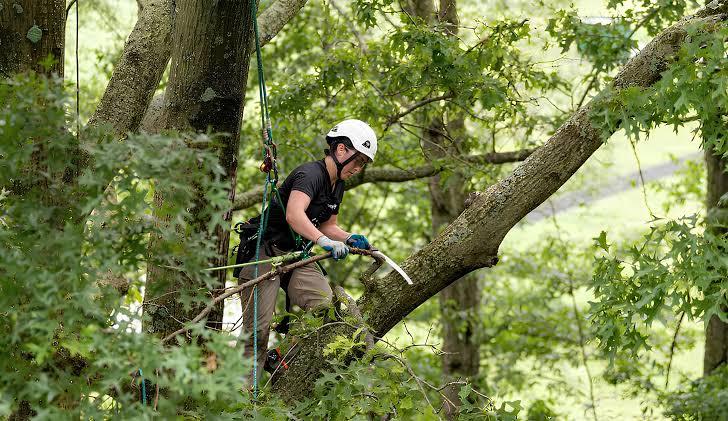
Trees add beauty, shade, privacy, and value to a property. They can make a yard feel cooler in summer, provide a home for wildlife, and create a welcoming outdoor space. However, healthy trees need proper care. Without regular maintenance, branches can become weak, diseases can spread, and damaged trees can become a safety concern. This is where professional tree care can make a major difference.
Easy Does It Tree Service represents the kind of careful, professional approach homeowners often need when caring for trees. Good tree service is not simply about cutting branches or removing unwanted trees. It involves understanding tree health, recognizing risks, using proper equipment, and completing work in a safe and responsible way.
Whether you need tree trimming, tree removal, stump grinding, emergency tree service, or routine maintenance, knowing what professional tree care involves can help you make better decisions. This complete guide explains the basics of tree maintenance, common services, safety concerns, and ways to keep your trees healthy for years to come.
Why Professional Tree Care Matters for Every Property
Trees may look strong, but even large and mature trees can develop hidden problems. Storm damage, insects, disease, poor pruning, soil problems, and old age can weaken branches and roots. A tree that appears healthy from the ground may have cracks, decay, or dead limbs that are difficult for an untrained person to notice.
Professional tree care helps identify these problems before they become larger concerns. A trained tree care professional can examine the structure of a tree, look for damaged branches, and determine whether pruning, treatment, support, or removal may be needed. This type of preventive care can help protect your home, vehicles, fences, outdoor structures, and family.
Easy Does It Tree Service can also be viewed as an example of why a careful approach matters in tree maintenance. Tree work often requires climbing, ropes, cutting tools, ladders, and specialized equipment. Working around power lines, roofs, streets, and other structures can increase the level of risk. Professional tree workers understand how to manage these challenges more safely.
Healthy trees also benefit from regular maintenance. Proper pruning can improve airflow through the canopy, remove dead wood, and encourage stronger growth. Removing weak or crossing branches can reduce future problems. However, pruning must be done correctly. Cutting too much from a tree or making poor cuts can damage its natural structure and leave it more vulnerable to pests and disease.
Another important part of tree care is understanding the difference between a tree that needs attention and one that should be removed. Removal is not always the best answer. If a tree is healthy and structurally sound, proper maintenance may allow it to remain a valuable part of the landscape. A professional assessment can help property owners understand their options instead of making decisions based only on appearance.
Tree care can also improve the overall appearance of a property. Overgrown trees may block windows, cover signs, interfere with walkways, or make a landscape look neglected. Professional trimming can create a cleaner appearance while supporting the long-term health of the tree. The goal should be to balance safety, appearance, and healthy growth.
Understanding Tree Trimming, Pruning, and Maintenance
Tree trimming and pruning are often used as if they mean exactly the same thing, but professional tree care can involve different goals. Trimming often focuses on controlling growth, improving appearance, and removing unwanted branches. Pruning is more focused on tree health and structure. Both should be performed with an understanding of how trees grow and respond to cuts.
One of the most common reasons homeowners seek tree trimming is to remove dead or damaged branches. Dead limbs can fall during strong winds or heavy rain. Removing them can reduce hazards and allow the tree to put more energy into healthy growth. Branches that rub against each other can also create wounds that may become entry points for insects or disease.
Crown thinning is another type of pruning that may be useful in certain situations. It involves selectively removing some branches to improve light penetration and air movement through the canopy. Crown raising can remove lower branches to provide clearance over sidewalks, driveways, roads, or buildings. Crown reduction may sometimes be considered when a tree has grown too large for its location, although it must be performed carefully to avoid damaging the tree.
Timing also matters. Different tree species have different growth patterns, and the best pruning time can depend on the type of tree, local climate, and reason for pruning. Some trees can be pruned during dormant periods, while other situations may call for a different schedule. A professional can determine an appropriate approach based on the tree and its condition.
Property owners should avoid excessive pruning. Removing too much of a tree’s canopy at one time can create stress and may lead to weak new growth. Topping trees, which involves cutting major branches back to stubs, is particularly harmful in many cases. It can create ugly growth patterns, increase structural weakness, and expose the tree to decay.
A careful company such as Easy Does It Tree Service can help property owners understand why selective pruning is usually better than aggressive cutting. The objective is not simply to make a tree smaller. The objective is to maintain a safe and attractive structure while respecting the tree’s natural growth.
Regular tree maintenance can also make future work easier. Small problems are often easier to address than major structural issues. A routine inspection may reveal a cracked branch, root problem, or developing disease before it causes serious damage. This preventive approach can save time and potentially reduce repair costs over the long term.
When Tree Removal and Stump Grinding Become Necessary
Tree removal is one of the most serious services in professional arboriculture. Unlike routine trimming, removal involves taking down an entire tree, often in a limited space. The work must be planned carefully, especially when the tree is close to a home, garage, fence, road, or utility line.
A tree may need removal when it is dead, severely damaged, structurally unstable, or affected by a serious disease. Trees growing in poor locations can also create ongoing problems. For example, roots may damage certain structures, branches may repeatedly interfere with utility lines, or a tree may become unsafe because of significant decay.
Storms are another common reason for emergency tree removal. High winds, lightning, ice, and heavy rain can break large limbs or cause trees to lean. A damaged tree does not always need to be removed, but it should be evaluated when there is a serious safety concern. Homeowners should avoid approaching unstable trees, especially when branches are hanging overhead.
Easy Does It Tree Service can help illustrate an important principle: tree removal should never be treated as a simple do-it-yourself project. Large trees can weigh thousands of pounds, and falling branches can behave unpredictably. Professional tree removal requires planning, appropriate equipment, and knowledge of cutting and lowering techniques.
After a tree is removed, the remaining stump can become another problem. Stumps can take up valuable yard space, interfere with landscaping, attract insects, and create trip hazards. Leaving a large stump in place can also make mowing and future planting more difficult.
Stump grinding is a common solution. A stump grinder uses specialized equipment to break the stump into wood chips below or near ground level. The area can then be filled and prepared for grass, plants, or other landscaping. Complete root removal is different and may require additional excavation, so property owners should discuss the desired result with the tree care professional.
Tree removal and stump grinding can also improve the appearance of a property. However, the decision to remove a tree should not be based only on appearance. If there is uncertainty about whether a tree should stay or go, a professional tree assessment can provide useful information about its condition and possible alternatives.
Tree Health, Storm Protection, and Emergency Tree Service
Healthy trees are better prepared to handle normal weather conditions, but no tree is completely protected from severe storms. Strong winds can break branches, split trunks, and uproot trees. Heavy snow and ice can place additional weight on limbs. Lightning can cause serious internal damage even when the visible injury appears limited.
Good tree maintenance can help reduce some risks. Removing dead branches and correcting weak or poorly positioned limbs may improve structural stability. Maintaining healthy soil and avoiding damage to the root zone can also support overall tree health. However, pruning alone cannot prevent every type of storm damage.
Homeowners should pay attention to warning signs. Large dead branches, cracks in the trunk, cavities, mushrooms growing near the base, exposed roots, sudden leaning, and major changes in the canopy may indicate that a tree needs professional evaluation. These signs do not automatically mean a tree must be removed, but they should not be ignored.
Emergency tree service becomes especially important after severe weather. A fallen tree blocking a driveway or damaging a structure may require immediate attention. Broken limbs hanging over a home or roadway can also create an urgent hazard. In these situations, safety should come before cleanup or landscaping concerns.
It is important not to handle storm-damaged trees without professional help. Tension in broken branches can cause them to move suddenly when cut. Fallen trees may also contain hidden hazards, including unstable limbs and damaged utility lines. If electrical wires are involved, property owners should stay away and contact the appropriate utility or emergency service.
A professional tree company can assess the situation and determine the safest way to remove damaged branches or trees. Depending on the circumstances, equipment such as bucket trucks, chainsaws, ropes, cranes, or wood chippers may be required. Proper planning helps reduce the chance of additional property damage.
Beyond emergencies, long-term tree health deserves attention. Watering during dry periods, protecting the root zone, using appropriate mulch, and avoiding soil compaction can help support healthy growth. Mulch should not be piled directly against the trunk because excessive moisture around the bark can create problems.
Trees also need enough room to grow. Planting the right species in the right location can prevent many future conflicts. Before planting, consider mature tree height, canopy spread, root growth, sunlight, soil conditions, and proximity to buildings or utility lines. Good planning is one of the easiest ways to reduce future tree maintenance problems.
How to Choose the Right Tree Service for Your Needs
Choosing a tree service provider is an important decision because tree work can affect both property safety and the long-term health of your landscape. Homeowners should look for a company that takes time to understand the job rather than immediately recommending major cutting or removal.
When considering Easy Does It Tree Service or another local tree care provider, property owners should think about the specific service they need. Tree trimming, pruning, tree removal, stump grinding, land clearing, emergency tree work, and storm cleanup can require different skills and equipment. A company with experience in the requested service is more likely to understand the challenges involved.
Clear communication is also important. A professional should be able to explain what work is recommended and why. If a tree needs pruning, the homeowner should understand which branches will be removed and what the expected result will be. If removal is recommended, the company should explain the condition or risk that makes removal appropriate.
A written estimate can also help avoid confusion. The estimate should clearly describe the work, cleanup expectations, and any additional services that may affect the total cost. Homeowners should be cautious about choosing a tree service based only on the lowest price. Extremely low estimates may not include important parts of the job or may reflect a lack of proper equipment and safety practices.
Insurance and professional qualifications are also worth considering. Tree work can involve significant risks, so homeowners should ask whether the company carries appropriate insurance. Depending on the location and type of work, local rules, permits, or other requirements may also apply.
Good customer service is another sign of a professional tree care company. A reliable provider should arrive prepared, communicate clearly, respect the property, and clean up the work area when the job is complete. Professionalism matters because tree work can create a large amount of debris, sawdust, and wood material.
The best tree care plan is usually one that looks beyond today’s problem. A good provider can help property owners think about the future health and safety of their trees. Instead of waiting for branches to fall or a tree to become dangerous, regular inspections and preventive maintenance can help identify concerns early.
Easy Does It Tree Service is a keyword that naturally connects with this broader idea of thoughtful tree care. The name suggests a calm, careful approach, which is exactly what responsible tree maintenance should involve. Whether the task is simple pruning or complex tree removal, careful planning can make the process safer and more effective.
Conclusion
Healthy trees are an important part of a safe and attractive property. They provide shade, improve curb appeal, support wildlife, and can add character to outdoor spaces. But trees also require proper care to remain strong and safe. Regular inspections, professional pruning, responsible tree removal, stump grinding, and emergency storm services can all play an important role in protecting your landscape.
Easy Does It Tree Service reflects the value of taking a careful approach instead of treating every tree problem as a reason for aggressive cutting or immediate removal. Professional tree care should focus on safety, tree health, proper techniques, and long-term results.
By recognizing warning signs, maintaining trees regularly, and choosing experienced professionals for difficult jobs, property owners can protect both their trees and their homes. A thoughtful tree care plan does more than solve today’s problem. It helps create a healthier, safer, and more beautiful landscape for the future.